







Create AI Influencers That Look, Sound, and Perform Like Real Creators

Design virtual influencers with realistic personas, visuals, and content — ready for social media, campaigns, and brand storytelling.

Generate Your First AI Influencer
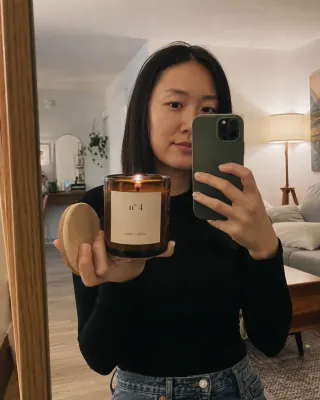
Lucy persona
Lucy

Persona

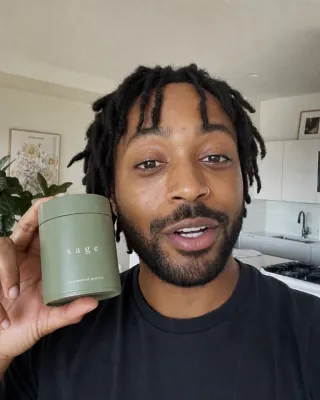
Rabbi persona
Rabbi

Persona

Alex persona
Alex

Persona

Sabine persona
Sabine

Persona

Lucy persona
Lucy

Persona

Sabine persona
Sabine

Persona

Lucy persona
Lucy

Persona

How It Works

Know the process of how to make viral content in less than a minute

Define Persona

Define Persona

Choose niche, personality traits, tone of voice, audience, and content focus.

Add Context

Add Context

Pick aesthetics, mood, and creative direction to match your brand or campaign.

Go Viral

Go Viral

Use the influencer across social platforms, iterate on performance, and scale instantly.

Core Features

Highlighting the top core pillars of the tool

Soul ID

Create Your Star

Dial face structure, age range, wardrobe style, speech tone, and speaking tempo to create a signature influencer persona.

  • Master Identity Lock: Anchor your character's face, voice, and mannerisms so every video feels like the same creator.
  • Personality Engine: Adjust humor, authority, warmth, and energy to shape a persona audiences connect with.
  • Instant Variants: Spin up new looks, outfits, or ages from one base identity without starting over.
Soul ID visual
Motion Sync

Mimic Any Viral Trend

Pick a trend template and auto-map your script, visuals, and pacing to the pattern audiences already engage with.

  • Trend Templates: One-click formats mapped to what's working right now on TikTok, Reels, and Shorts.
  • Auto Pacing: Beat-matched cuts and hooks tuned to short-form retention curves.
  • Style Transfer: Apply the look, grade, and motion feel of any reference clip to your AI creator.
Motion Sync visual
Monetize

Generate & Dominate

Queue batches, render variants, and deploy campaign-ready videos every day from one dashboard.

  • Batch Rendering: Generate dozens of variations in a single run with reusable prompt templates.
  • Multi-Platform Export: Built-in aspect ratios and specs for every major social platform.
  • Growth Loops: Fast iteration cycles designed for performance marketers and growth teams.
Monetize visual

// TRY IT NOW

Launch Your First AI Influencer Today

No contracts. No shoots. No delays.
Just AI-powered creators that work for your brand.

Generate Your First AI Influencer
Pricing background

Pricing built for AI influencer workflows

Create persona-led videos, creator ads, talking avatars, and edits from one workspace with the latest model lineup.

$19.99$16.67/month

Billed annually at $199.99

500 credits/month
50010,000
AI personas & UGC creator
Sora 2, Veo 3.1, Kling 3.0 & more
Avatars, voices & lipsync
Studio editor with smart captions
Image generation & editing
Unlimited projects

Your subscription, receipts, and sign-in link will be sent here.

3-day money-back guarantee · Cancel anytime · Terms

Frequently Asked Questions About Sceneform AI Influencer

What is an AI influencer?

An AI influencer is a virtual creator that posts content like a human influencer, but your brand controls the character. You decide how the persona looks, how it speaks, what it talks about, and how it shows up on platforms like TikTok, Instagram, YouTube, and LinkedIn. Instead of hiring a creator with their own schedule, opinions, and usage terms, you build a brand-owned persona that can publish consistently at scale.

How do I create an AI influencer?

You create an AI influencer by building the persona first. On Sceneform, you define the visual identity, the voice, and the content themes. Once you lock in those basics, Sceneform turns them into a working AI influencer that can start producing content quickly. You do not need a production team, editing experience, or technical background to get started.

Can you really make money with an AI influencer?

Yes. Brands use AI influencers to drive sponsored content, affiliate sales, paid campaigns, product launches, and direct ecommerce revenue. The big advantage is ownership. When your brand owns the AI influencer, you do not keep paying creator fees just to reuse content or scale distribution.

Who is the most famous AI influencer?

Lil Miquela is still the best-known AI influencer worldwide. Other popular examples include Imma, Aitana Lopez, and Shudu. What made them successful was not just realistic visuals. They built a recognizable character, posted consistently, and gave people a reason to follow them.

Is it legal to create AI influencers?

Yes, in most markets you can legally create and use an AI influencer. You do need to follow ad disclosure rules, platform policies, and AI transparency requirements where they apply. The simplest approach is to be clear that the persona is AI-generated and to label sponsored content the same way you would with a human influencer.

What niches perform best with an AI influencer?

AI influencers work especially well in beauty, fashion, fitness, gaming, travel, education, ecommerce, and B2B SaaS. These categories reward high posting frequency, clear positioning, and strong visual identity. If your brand needs steady output and tight message control, an AI influencer usually performs well.

Can an AI influencer improve brand safety?

Yes. Human creators bring personal risk that brands cannot fully control. An AI influencer only publishes what your team approves. That gives you more control over messaging, fewer reputation surprises, and a safer setup for regulated or brand-sensitive industries.

Can an AI influencer scale content production without increasing headcount?

Yes. An AI influencer can help your team publish far more content without hiring more people. Instead of adding a creator, editor, photographer, and social manager just to keep up, you can scale through one consistent persona and one workflow.

Can I run A/B tests with multiple AI influencer personas at the same time?

Yes. You can launch more than one AI influencer persona and test different tones, looks, audiences, or campaign angles side by side. That helps you learn faster and invest more confidently in the persona or message that actually performs best.

How does an AI influencer handle trends and viral moments?

An AI influencer can react much faster than a traditional creator partnership. When a trend starts moving, your team can update the brief and generate fresh content the same day. That speed gives brands a real advantage when trends peak quickly and timing matters.

Can I use an AI influencer for paid social and organic content?

Yes. You can use the same AI influencer content across organic posts, paid ads, retargeting creatives, landing pages, and other campaign assets. Because your brand owns the output, you do not run into the same licensing limits and reuse fees that often come with human creator deals.

How does Sceneform handle audience engagement for an AI influencer?

Sceneform can help your AI influencer stay in character beyond the post itself. You can draft replies to comments and messages, set guardrails for sensitive topics, and decide how much automation or human review you want. That helps you keep the voice consistent while staying in control.

Can an AI influencer support multilingual campaigns?

Yes. You can use one AI influencer across multiple languages and markets while keeping the same core identity. That makes it easier to expand internationally without rebuilding your creator strategy from scratch in every region.

Can a small business use an AI influencer, or is it only for enterprise brands?

Small businesses can absolutely use an AI influencer. In fact, the model often makes the most sense for lean teams that need professional content without building a full internal studio. A small brand can use one persona to create consistent output at a fraction of the usual production cost.

How long does it take to launch an AI influencer on Sceneform?

Most brands can launch an AI influencer in days, not months. Once you define the persona, voice, and content direction, Sceneform can start generating content quickly. That speed helps when you want to move on a launch, a seasonal campaign, or a new content experiment.

Can I use an AI influencer to test product concepts before a full launch?

Yes. You can use an AI influencer to test hooks, offers, visuals, product angles, and calls to action before you commit to a bigger launch. That gives you feedback from real audience behavior early, so you can scale what works and cut what does not.

What performance analytics does Sceneform provide for an AI influencer?

Sceneform gives you direct insight into how your AI influencer performs. Depending on your setup, that can include engagement, watch-through, audience growth, clicks, conversions, and sentiment. Because the influencer is your asset, your team keeps direct access to the data.

What is the difference between an AI influencer and a brand mascot?

A brand mascot is usually a static character. An AI influencer is an active creator persona that posts content, builds an audience, and develops a recognizable presence over time. People do not just see an AI influencer in a campaign. They can follow it, respond to it, and keep coming back to it.

What content formats can an AI influencer produce on Sceneform?

Sceneform supports the formats brands use most: short-form vertical video, static posts, carousels, longer-form content, and voice-led assets. The key benefit is consistency. Your AI influencer can show up across formats and platforms without losing its identity.

How does an AI influencer fit into an existing influencer marketing strategy?

Most brands get the best results when they use AI influencers alongside human creators. Let the AI influencer handle always-on content, product explainers, testing, and high-frequency posting. Then use human creators where lived experience, trust, or personal credibility matters more.

Can an AI influencer be integrated into influencer marketplace platforms?

Yes. If your AI influencer has a clear identity, posting history, and visible presence, you can position it like a brand-operated creator account for partnerships and affiliate opportunities. The difference is that your team still controls the asset, the output, and the terms.